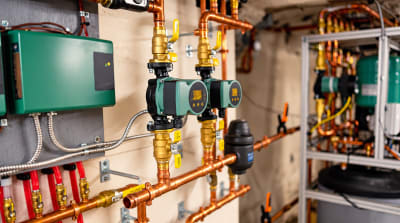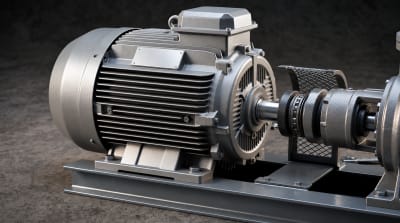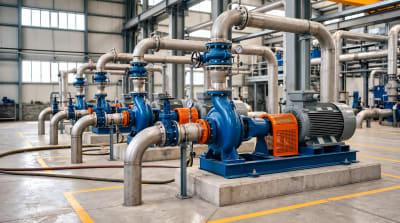
Industry analysts report that manufacturers of industrial and municipal pumps are seeing record order volumes, particularly in regions investing heavily in clean energy and climate resilience.
Infrastructure Spending Drives Growth
Governments in the United States, India, and Germany have rolled out multi-billion-dollar infrastructure programmes focused on modernising water systems, wastewater treatment plants, and flood control networks. Pumps, a critical component in fluid transport systems, are central to these upgrades.
From desalination plants to hydrogen production facilities, pumps are the backbone of modern infrastructure,” said Maria Keller, an industrial equipment analyst at GlobalTech Insights.
In the U.S., funding linked to the Infrastructure Investment and Jobs Act continues to stimulate procurement for high-efficiency pumping systems. Municipal contracts alone have risen by double digits year-over-year, according to sector dat
Renewable Energy Boost
The shift toward renewable energy has also fuelled demand. Pump manufacturers are benefiting from growth in geothermal and hydropower projects, where advanced circulation and high-pressure pump systems are essential.
Major energy companies such as Siemens Energy and General Electric have expanded partnerships with specialised pump suppliers to support green hydrogen production facilities.
Meanwhile, in Asia, rapid urbanisation and water scarcity concerns are driving investment in desalination and irrigation technologies, further lifting sales.
Technology Innovation Accelerates
Smart pumps equipped with IoT-enabled sensors are gaining traction. These systems provide predictive maintenance data, reducing downtime and improving operational efficiency.
Leading manufacturers including Grundfos and Xylem Inc. have introduced AI-driven monitoring platforms that optimise energy consumption and detect faults in real time.
Energy efficiency standards are tightening globally,” noted Keller. “Customers are prioritising pumps that lower lifecycle costs, not just upfront price.”
Supply Chain and Raw Material Pressures
Despite strong demand, the sector faces challenges. Fluctuations in steel prices and semiconductor shortages have strained production timelines. Some companies report lead times extending up to six months for specialised industrial models.
Analysts warn that geopolitical tensions could further disrupt supply chains, particularly for rare-earth components used in high-performance motors.
Outlook: Sustained Momentum Expected
Market forecasts suggest the global pump industry could maintain annual growth rates between 5% and 8% over the next five years. Water security, climate adaptation, and industrial modernisation are expected to remain long-term demand drivers.
As nations continue to invest in resilient infrastructure, pumps — often overlooked yet indispensable — are emerging as a quiet powerhouse of the global energy transition.