A new global oil crisis is emerging as escalating conflict in the Middle East disrupts one of the world’s most critical energy regions. The war involving the United States, Israel, and Iran has triggered sharp increases in oil prices, shipping disruptions, and economic uncertainty across the globe. Governments, industries, and consumers are now facing the possibility of another major energy shock similar to past crises of the 1970s.
The ongoing conflict between the United States, Israel, and Iran has caused severe disruption to oil production and shipping routes in the Persian Gulf. Tanker traffic through the Strait of Hormuz, one of the world’s most important oil transport corridors, has been threatened by military activity and attacks on energy infrastructure.
Oil prices reacted immediately to the conflict. Brent crude surged to around $90 per barrel, one of the highest levels in recent months, as markets feared prolonged supply disruptions. In early trading during the conflict, Brent crude jumped nearly 13% while U.S. crude also rose sharply as attacks disrupted shipping and energy facilities in the region. Experts warn that if the war continues, oil supply shortages could push prices even higher and trigger a broader global energy crisis.
Attacks on Oil Infrastructure Increase Market Panic
Energy infrastructure has become a direct target during the conflict. One example is the drone attack on a major refinery owned by Saudi Aramco in Ras Tanura, Saudi Arabia. The attack forced temporary shutdowns and contributed to global oil price spikes.
These attacks highlight how vulnerable global energy systems are during military conflicts. Even small disruptions at major refineries or pipelines can have immediate effects on international markets.
Global Economic Impact
The consequences of the war-driven oil crisis are already spreading across the global economy.
Rising Energy Prices
Higher crude prices lead to increased costs for gasoline, diesel, aviation fuel, and transportation. Airlines are already facing higher jet fuel prices as supply tightens.
Stock Market Volatility
Financial markets around the world have reacted negatively to the crisis. Stock indexes in Europe and the United States have fallen as investors worry about inflation and slower economic growth.
Inflation and Cost of Living
Rising fuel costs increase the price of goods, transportation, and food. Economists warn that sustained high energy prices could fuel inflation and weaken global economic growth.
Impact on India and Other Oil-Importing Countries
Countries heavily dependent on imported crude oil are especially vulnerable.
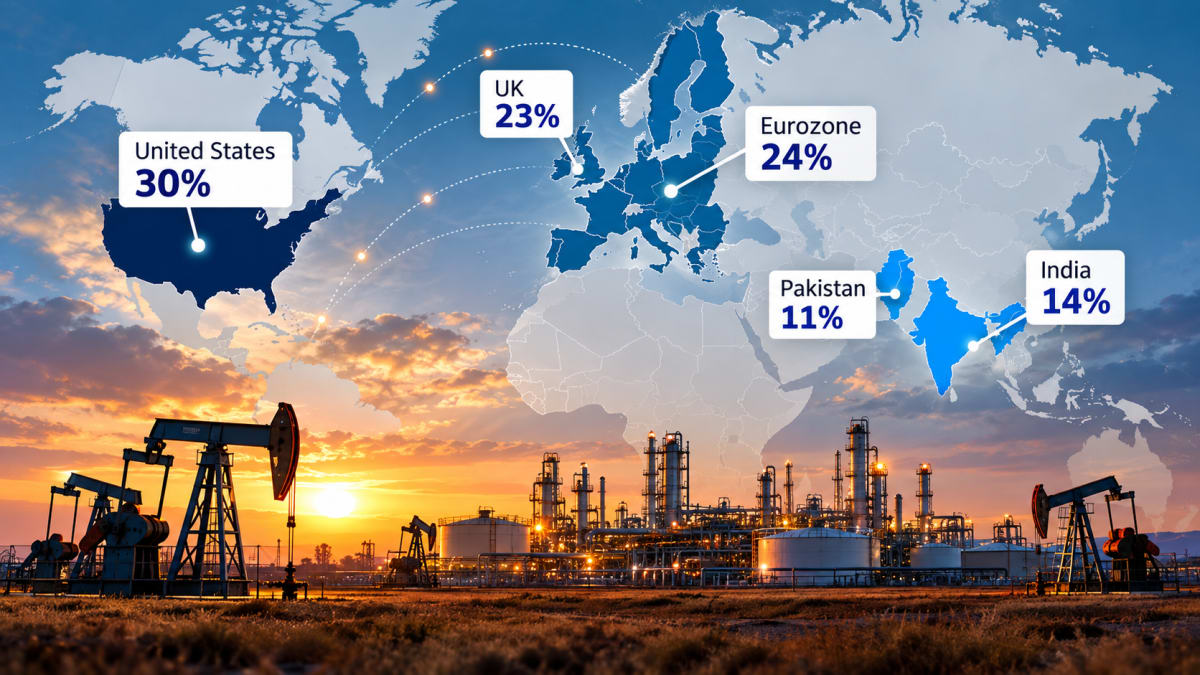
India imports nearly 90% of its crude oil, and about half of those imports pass through the Strait of Hormuz. Any disruption in this route could threaten the country’s energy security and increase fuel prices domestically.
Higher oil prices also increase costs for sectors such as aviation, logistics, manufacturing, and agriculture, potentially slowing economic growth.
Early Signs of Fuel Shortages
Some countries are already experiencing supply problems. In Bangladesh, authorities have introduced fuel rationing to prevent panic buying after the Middle East conflict disrupted shipments and raised fears of shortages.
Such measures indicate how quickly energy crises can affect everyday life when global supply chains are disturbed.
The Role of Pumps and Energy Infrastructure
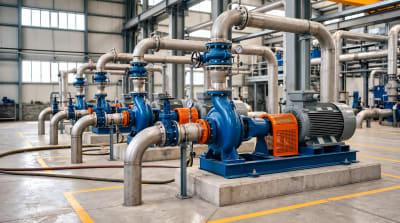
During an oil crisis, energy infrastructure becomes even more critical. Industrial pumps used in oil refineries, pipelines, and tanker loading terminals play a key role in maintaining oil flow and distribution.
Oil pumps are responsible for:
- Transporting crude oil from wells to refineries
- Moving refined products through pipelines
- Supporting offshore drilling operations
- Maintaining pressure in large-scale energy distribution networks
Damage to pumping systems or pipelines during wartime can stop production and intensify supply shortages.
Future Outlook
Energy analysts believe the future of the oil market will depend on three key factors:
- Duration of the war
- Security of shipping routes like the Strait of Hormuz
- Production increases from major oil-producing countries
If tensions escalate or shipping routes remain blocked, the world could face a prolonged oil crisis that affects economies worldwide.
The current Middle East conflict demonstrates how closely global energy markets are tied to geopolitical events. As war disrupts supply routes, damages infrastructure, and raises uncertainty, oil prices rise rapidly and impact economies worldwide. For countries dependent on imported energy, the crisis highlights the urgent need for energy diversification, strategic reserves, and investment in alternative energy sources.