In the boardrooms of Houston, London, and Dhahran, the conversation has violently shifted. The sudden outbreak of the US-Israel-Iran war in early 2026—and the subsequent paralysis of the Strait of Hormuz—has plunged the global energy sector into its most severe crisis since the 1970s. As crude prices whipsaw past $100 a barrel and liquefied natural gas (LNG) shipments are heavily disrupted, the chief executives of the world’s largest energy companies are sounding the alarm.
Publicly, oil bosses are projecting operational resilience; privately, and in emergency industry summits, they are warning of profound structural vulnerabilities. Here is what the leaders of the global energy industry are saying about the unfolding crisis.
The Illusion of Spare Capacity
For years, the market relied on the assumption that the Organization of the Petroleum Exporting Countries (OPEC), particularly Saudi Arabia and the UAE, held enough spare production capacity to cushion any geopolitical shock. The 2026 conflict has shattered that comfort.
- Trapped Barrels: Middle Eastern energy executives are bluntly pointing out that spare capacity is mathematically useless if the physical barrels cannot reach the market. With the Strait of Hormuz compromised, millions of barrels of crude and LNG are essentially landlocked.
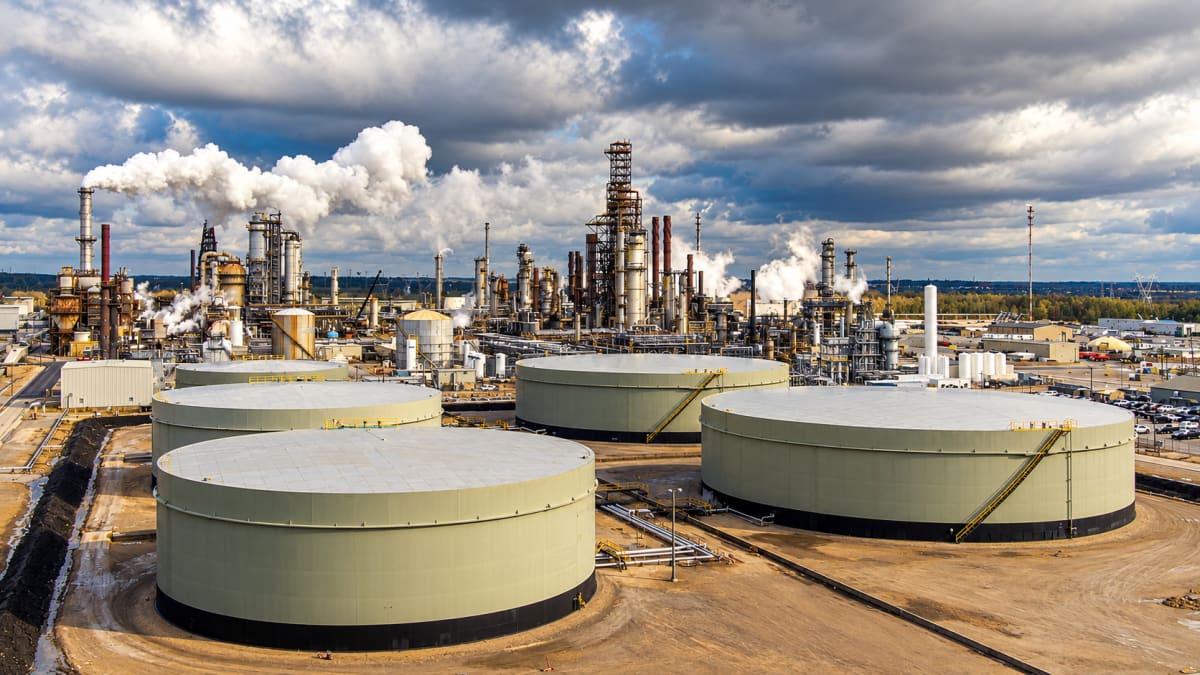
- Infrastructure Paranoia: Regional oil bosses are expressing deep anxiety over the physical security of their infrastructure. As retaliatory strikes threaten refineries and export terminals across the Arabian Gulf, executives are warning that a direct hit on a major processing facility could permanently wipe out a portion of global supply, transforming a temporary logistics crisis into a multi-year supply deficit.
"Energy Security Above All Else"
The sudden supply shock has dramatically altered the rhetoric surrounding the global energy transition. For the CEOs of European and American supermajors, the crisis is ultimate proof that the world has underinvested in reliable baseline energy.
- Vindication for Fossil Fuels: Oil bosses are arguing that the current crisis justifies their controversial decisions to maintain or increase fossil fuel investments over the past few years. They assert that the rush to phase out hydrocarbons ignored the fragile reality of global geopolitics.
- A Paused Transition: Executives are warning policymakers that "keeping the lights on" must temporarily supersede long-term climate targets. With European nations scrambling to replace disrupted Middle Eastern LNG, industry leaders are pushing for the fast-tracking of new drilling permits and the rapid expansion of Western LNG import/export infrastructure to ensure national security.
The Limits of the US Shale Response
With Middle Eastern crude exports choked off, the world has naturally turned its eyes to the United States—the globe's largest oil producer. However, American oil bosses are issuing a stark reality check: they cannot simply turn on the taps to replace the missing 20% of global seaborne oil.
- Capital Discipline Remains: US shale executives are reiterating that the days of "drill, baby, drill" at any cost are over. Despite triple-digit oil prices, CEOs are prioritising shareholder returns, dividends, and capital discipline over reckless production growth.
- Supply Chain and Labour Bottlenecks: Even if American drillers wanted to flood the market, executives point out that they are severely constrained by reality. A shortage of high-quality drilling rigs, expensive raw materials, and a constrained labour force mean that meaningful US production increases will take many months, if not years, to materialise.
- Export Limitations: Furthermore, domestic industry leaders are warning that US export terminals are already operating at near maximum capacity. The physical infrastructure to massively scale up exports to energy-starved allies in Europe and Asia simply does not exist in the short term.
The Fear of "Demand Destruction"
While soaring oil prices might suggest record profits for energy majors, the mood among oil bosses is surprisingly cautious. Their greatest fear is not supply, but what economists call "demand destruction."
- The Recession Risk: Industry leaders are acutely aware that oil prices hovering well above $100 a barrel act as a crippling tax on the global economy. Chief executives are expressing concern that sustained high energy costs will trigger a severe global recession.
- The Long-Term Threat: If a recession hits, consumer spending will collapse, industrial manufacturing will stall, and the demand for oil will plummet. Oil bosses recognise that hyper-inflated prices are ultimately destructive to their own business models, as they accelerate the political and consumer push toward alternative energy sources and electric vehicles.
The Bottom Line
The consensus among the world's top oil bosses is sobering: the global energy system is far more fragile than governments wanted to admit. The 2026 conflict has brutally exposed the lack of redundancy in global maritime chokepoints and the consequences of systemic underinvestment in energy security.
As the war persists, energy leaders are urging governments to brace for prolonged volatility, warning that there is no quick fix, no hidden reserve of easily accessible crude, and no immediate technological substitute for the barrels trapped in the Gulf.