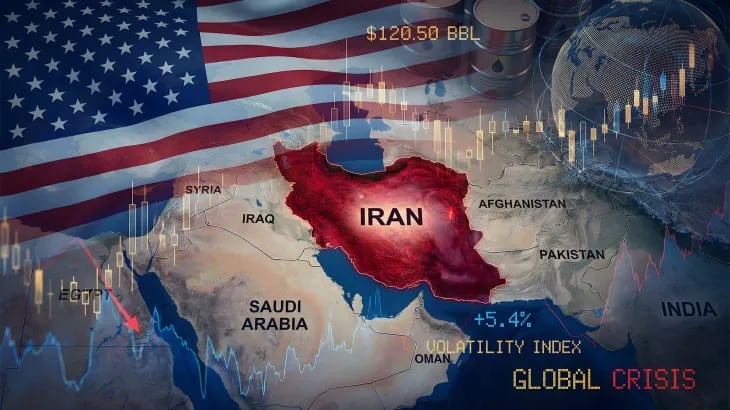
Geopolitical volatility in the Middle East has historically served as a profound catalyst for global economic shifts. As military engagements and proxy conflicts involving Iran escalate, the shockwaves are felt far beyond regional borders. The intersection of military conflict, global energy dependencies, and fragile supply chains creates a complex web of challenges for global financial markets and industrial sectors.
From surging commodities to paralysed shipping routes, the economic fallout of the conflict is actively reshaping global forecasts, demanding rapid adaptation from investors and industry leaders alike.
The Energy Market Shockwave: The Chokepoint of Global Oil
The most immediate and severe economic impact of any conflict involving Iran is heavily concentrated in the global energy sector. Iran is not only a major oil producer but also physically borders one of the most critical maritime arteries in the world.
- The Strait of Hormuz Threat: Approximately 20% of the world's total global oil consumption passes through the Strait of Hormuz. Any military escalation that threatens or closes this chokepoint triggers an immediate supply crisis.
- Crude Price Volatility: Threats of retaliation or blockades result in violent spikes in Brent Crude and West Texas Intermediate (WTI) prices. This volatility disrupts corporate forecasting and drastically increases operational costs for energy-intensive industries.
- The LNG Market Disruption: Beyond crude oil, the region is a massive exporter of Liquefied Natural Gas (LNG). Disruptions to Gulf exports heavily impact Asian and European markets, forcing nations to scramble for alternative, often much more expensive, energy sources.
Financial Markets in Turmoil: Inflation and the Flight to Safety
For global finance, an escalating Iran conflict abruptly halts optimistic market trajectories, reviving fears of stubborn inflation and stalling central bank policy shifts.
The Return of Inflationary Pressures
Surging energy prices act as a heavy tax on global consumers. As the cost of oil and gas rises, transportation and manufacturing costs inflate, which are then passed down to the consumer. For central banks, this presents a severe dilemma: they may be forced to keep interest rates higher for longer to combat conflict-induced inflation, thereby risking an economic slowdown.
Shifting Asset Allocations
In times of acute geopolitical crisis, financial markets experience a rapid restructuring of capital:
- Equities Under Pressure: Broad equity markets, particularly in emerging economies and energy-dependent nations, often face sharp sell-offs due to lowered corporate earnings expectations.
- The Flight to Safe Havens: Investors instinctively retreat to historically secure assets. Gold routinely touches record highs during Middle Eastern conflicts, while the US Dollar and the Swiss Franc see significant appreciations, straining developing economies that hold dollar-denominated debt.
Ripple Effects Across Global Industries
Beyond the trading floors, the physical realities of the conflict are fracturing global industrial supply chains and operational logistics.
Shipping, Logistics, and Global Trade
The interconnected nature of the Iran conflict often spills over into neighbouring maritime routes, severely disrupting global logistics.
- Skyrocketing Freight Costs: Commercial shipping lines are forced to navigate astronomical increases in maritime insurance premiums.
- Rerouting the Supply Chain: Threats to commercial vessels force major logistics companies to suspend operations in the region, rerouting ships around the Cape of Good Hope. This adds weeks to delivery times and millions of dollars in fuel costs per voyage, crippling the "just-in-time" manufacturing models utilised by the automotive and electronics industries.
The Aviation Sector
Commercial aviation bears a direct and heavy burden during Middle Eastern conflicts. Widespread flight cancellations, the closure of critical airspace, and the subsequent forced rerouting of international flights drastically reduce airline profitability. Coupled with surging jet fuel prices, the aviation and regional tourism industries face severe margin compressions.
The Defence and Aerospace Surge
Conversely, the defence industry experiences massive influxes of capital. Heightened threat levels prompt regional and global powers to increase their defence budgets. Aerospace and defence contractors see a surge in orders for missile defence systems, surveillance technology, and munitions, resulting in a localised boom for this specific industrial sector.
Conclusion: Navigating the New Geopolitical Reality
The trajectory of the global economy now hinges on highly unpredictable geopolitical variables. While a swift de-escalation allows markets to absorb shocks with minimal lasting damage, prolonged conflicts involving Iran threaten to entrench the world in a high-inflation, low-growth environment.
For finance and industry executives, the era of treating geopolitics as an afterthought is over. Supply chain diversification, dynamic energy hedging, and robust risk management are no longer just strategic advantages—they are absolute necessities for surviving the economic tremors of the modern world.